

 6 Layers of Protection




File System Friend or Foe? - How to Tell if a File is Malicious or Not
An unlucky upshot of running your own website or online store is that, sooner or later, hackers will add it to their ‘juicy list of prey’. Once in their list, hackers will continuously scan and probe your site for weaknesses, trying to find a way to further their illicit goals.
Web Hosting Made Secure with Plesk and ImunifyAV

Good news is always worth repeating: Plesk integrates ImunifyAV into its famous WebOps hosting control panel.
It's not even been a year yet but we're already seeing the benefits of integrating Revisium's advanced antivirus and anti-malware scanner into ImunifyAV. In addition to that, discover web hosting security tips in our new post and learn more about Plesk server security best practices.

Imunify360 4.0 Stable Release – It's here

A month in development passes so quickly.
We announced in February that we have a new version of Imunify360 coming with some great new features. It’s ready, it’s out of beta and into general availability. Here’s a quick reminder of the new stuff.

Nicely integrated: cPanel and ImunifyAV

The good news just keeps coming: cPanel & WHM integrates ImunifyAV into its hosting automation platform.
cPanel is integrating ImunifyAV, our free linux server antivirus and anti-malware scanner, into its famous web hosting control panel.
In addition to that, discover our new article covering only the best tips on how to take your cPanel security to the next level.

[Threat Intelligence Report] Remote Code Execution in Drupal 8 (CVE-2019-6340)

The Imunify360 Threat Intelligence Group are monitoring a remote code execution vulnerability targeting installations of the Drupal CMS.

Imunify360 V4.0—New Features Preview

I have good news—there are features coming in Imunify360 4.0 that will make your life easier, your servers safer, and your businesses more profitable.

Attention Imunify360 v3.9.3 Beta Testers–We Need Your Help

Thank you, beta testers!
We value your dedication to making our product better. Your real-world input helps Imunify360 become the most effective and efficient Linux server security product out there.

WebShield introduction for server administrators

WebShield is a component of the Imunify360 security solution. Its primary purpose is to handle HTTP traffic and prevent HTTP attacks.
As a security solution, WebShield is meant to:
- Block blacklisted traffic
- Redirect graylisted traffic to CAPTCHA until the CAPTCHA is passed
- Act as a proxy service, redirecting remaining traffic to backends
It consists of four services:
- WebShield itself
- Shared memory daemon
- SSL-caching daemon
- Sentrylogs daemon
Shared memory is the component of WebShield that makes it easier to deal with certain aspects of Nginx configuration without reloading. It does this by modifying its shared memory.
SSL-caching daemon watches changes to host SSL certificate sets (for known hosting panels only: cPanel, Plesk, DirectAdmin) and updates the WebShield SSL cache when a certificate is added, updated or removed.
Sentrylogs daemon watches WebShield log files to detect errors.
The configuration of WebShield is done by an agent, and direct editing of WebShield configuration files is generally not recommended. This is mainly because after the next reconfiguration all custom changes would be lost. However, there are some items a host administrator may want to set.

WebShield: Blocks blacklisted traffic & prevents HTTP attacks

WebShield is a component of the Imunify360 security solution. Its primary purpose is to handle HTTP traffic and prevent HTTP attacks.
As a security solution, WebShield is meant to:
- Block blacklisted traffic
- Redirect graylisted traffic to CAPTCHA until the CAPTCHA is passed
- Act as a proxy service, redirecting remaining traffic to backends

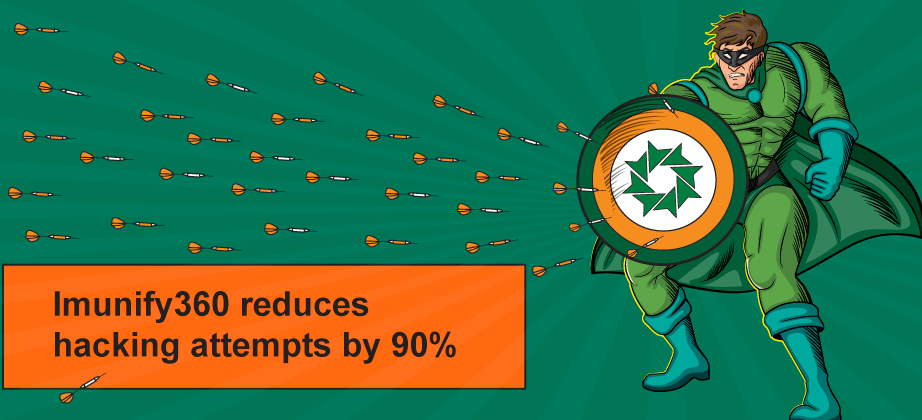
Imunify360 reduces hacking attempts by 90%
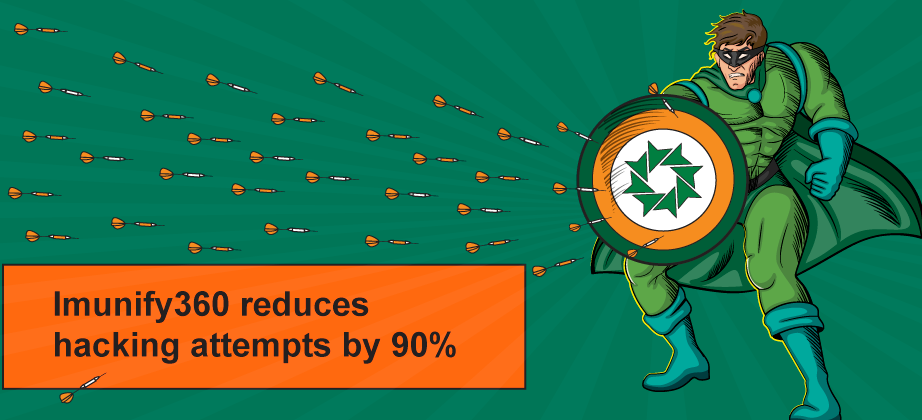
If you're using a well-known website antivirus and anti-malware solution, you wouldn't expect to be hacked on average 12 or so times per month, would you?
 prev
prev



.png?width=115&height=115&name=pci-dss%20(1).png "pci-dss")